Well, I’m back from the Edinburgh Fringe, and boy, what a Fringe it was!
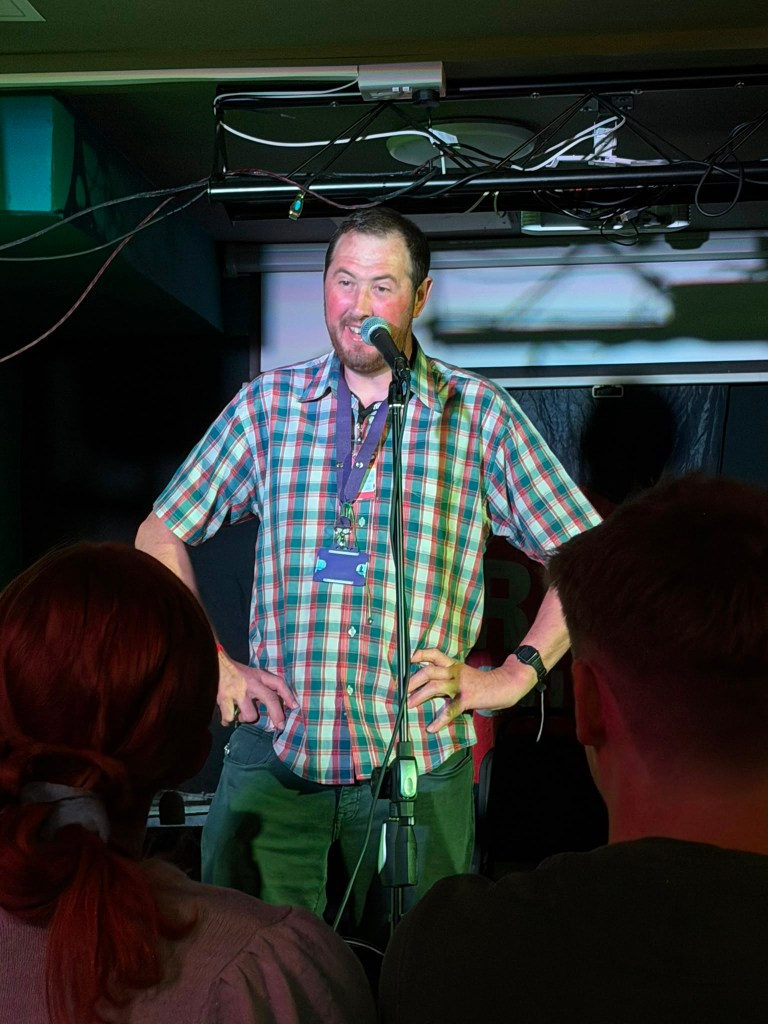
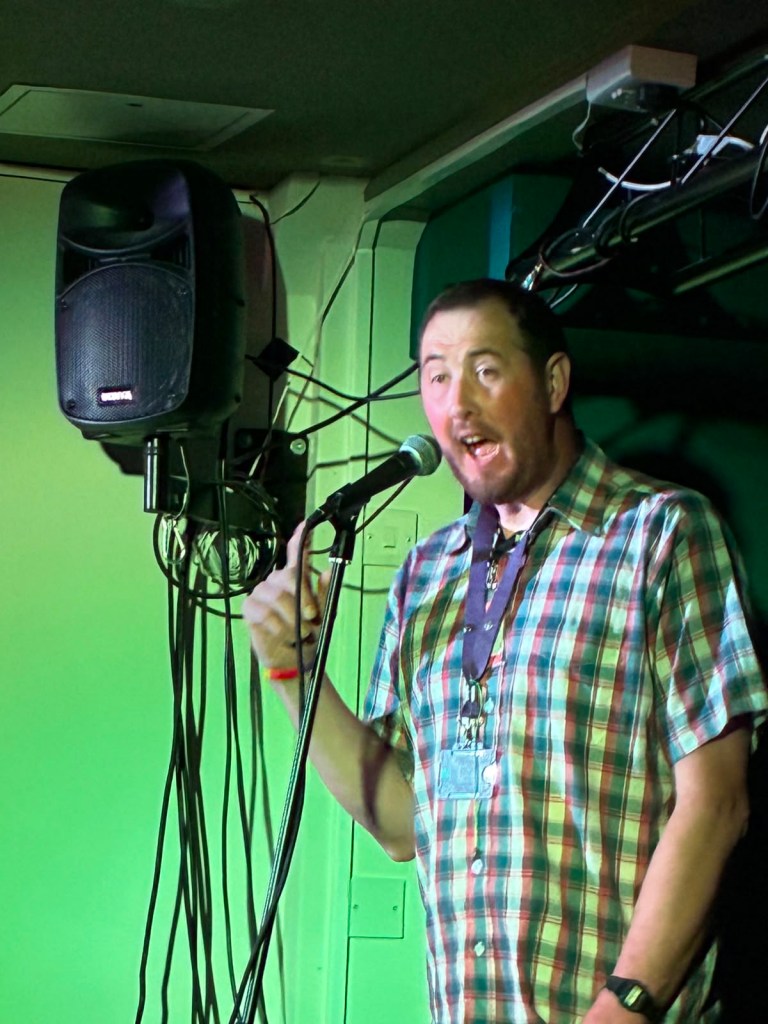
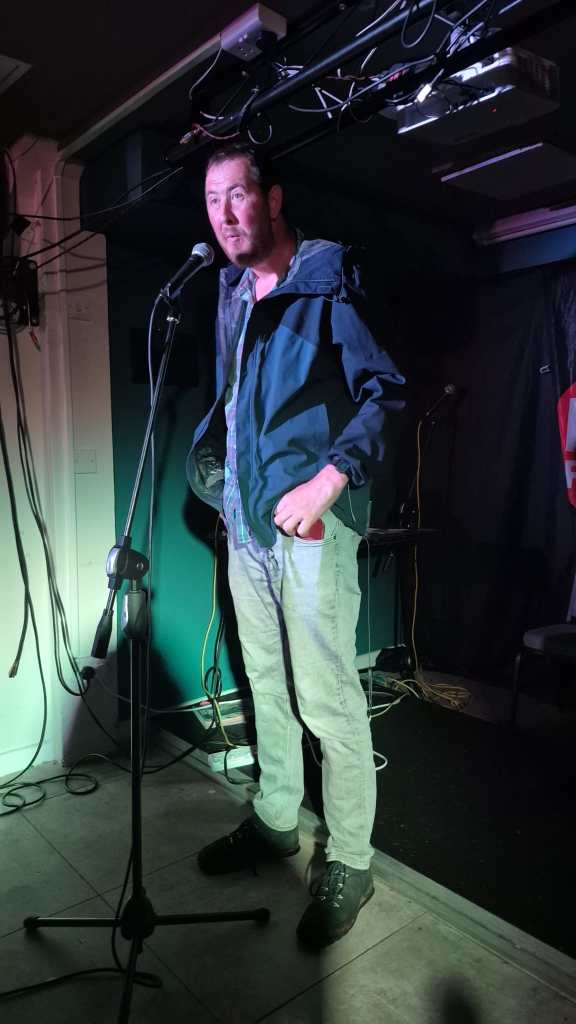
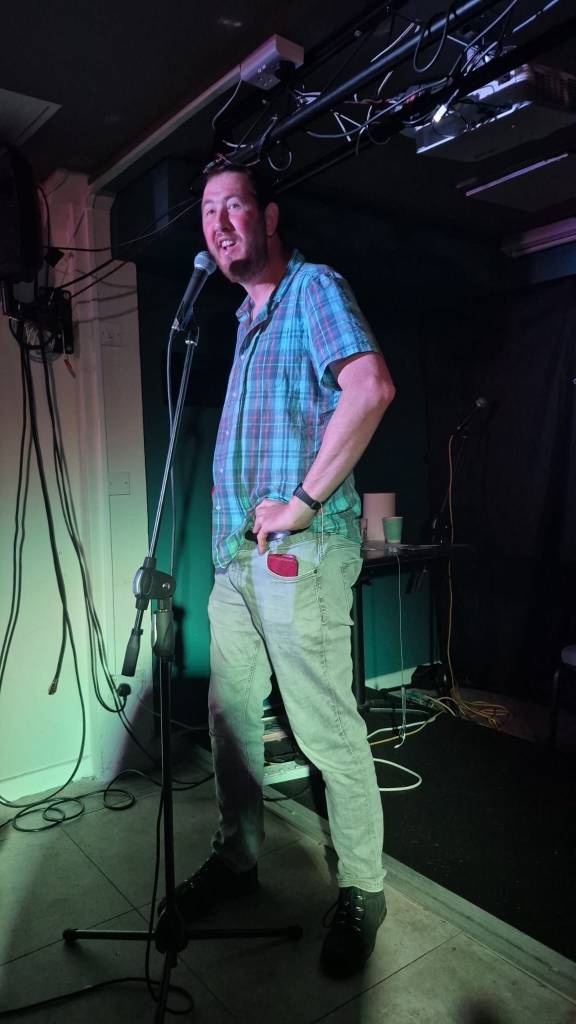
Over the month, I managed to do 60 shows.
Now, I know quite a few of my comedy buddies did more than that, but 60 was what my body could handle, and I’m bloody proud of it.
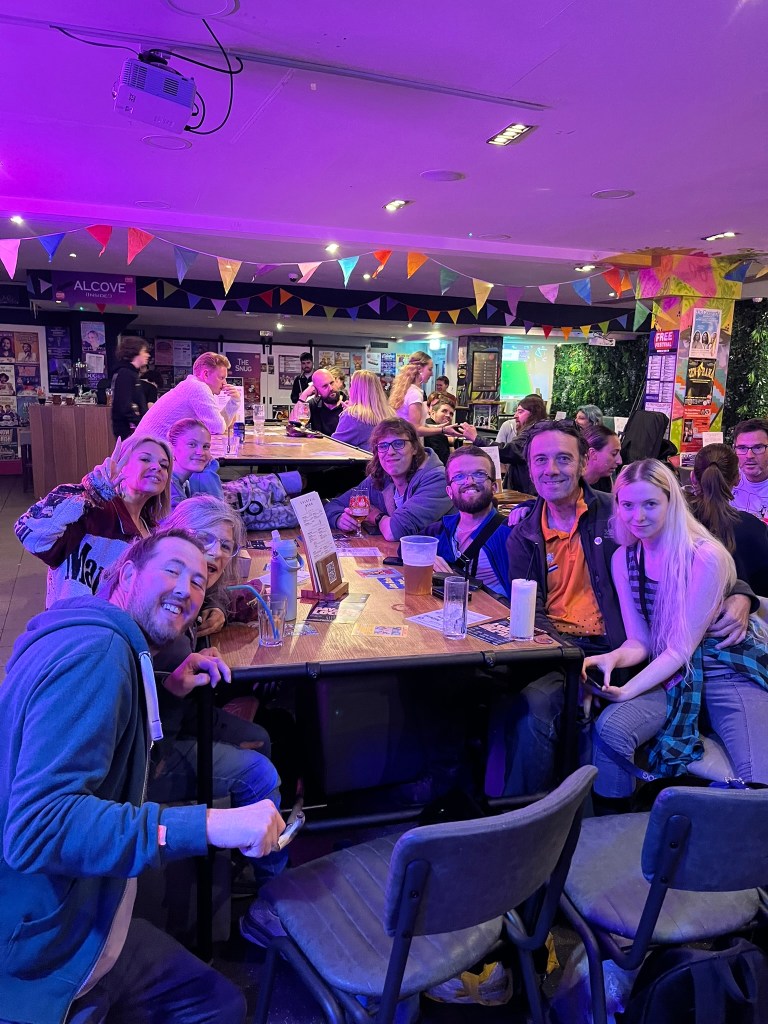
One of my favourite things about Edinburgh this year wasn’t actually being on stage. It was sitting around Bar 50 with everyone.
It honestly felt like we’d never left from last year.
We helped each other. We kept everyone’s spirits up. When somebody had a wobble, somebody else was there to pick them back up. We watched each other’s shows, had a laugh and got through the madness together.
That’s what the Fringe is about for me.
For one month, everyone seems to be on the same level. You can be a new comedian doing your first Fringe and suddenly find yourself sitting down the road from someone you’ve watched on television.
I even bumped into Rosie Jones and a few other famous faces whose names I’ve completely forgotten — sorry! 😂
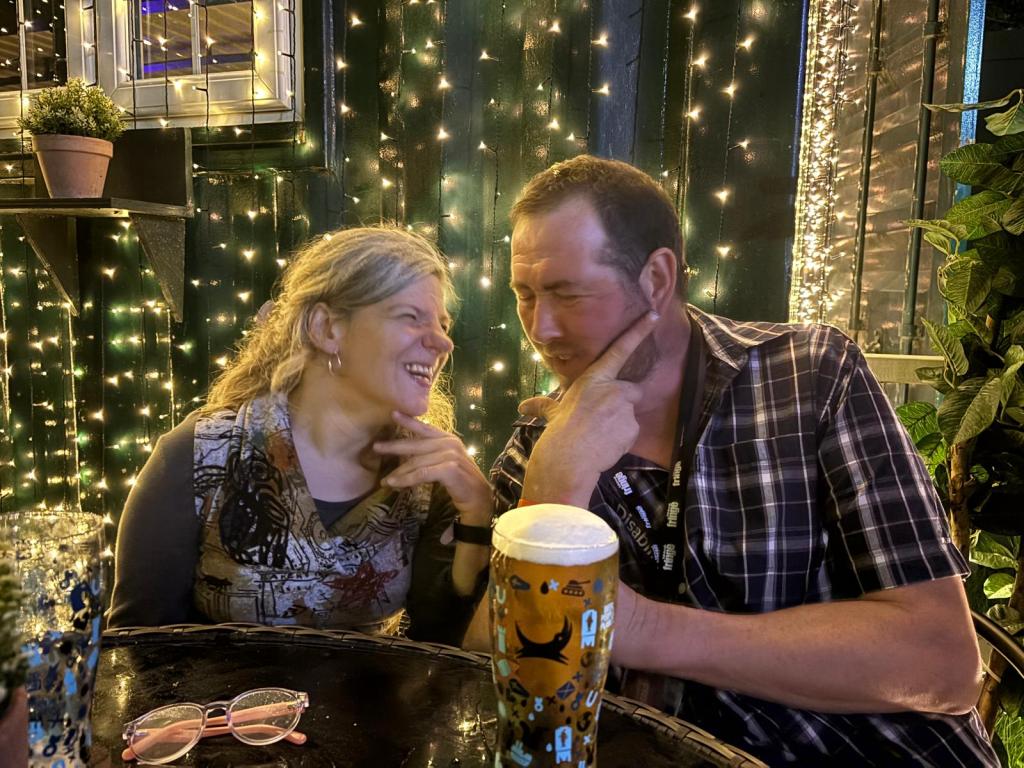
Another lovely part of Edinburgh was getting to introduce my friends to my partner, Lucy Apple. It was great having her come up and experience this mad little world with us.
I also need to say a massive thank you to Jen Swan and Susanna Clarke for always believing in me.
And to Joe Dickens and Mark McKean, who are always there helping me with the shows, the designs and my ridiculous ideas. Without the people behind the scenes, I simply couldn’t do what I do.
Disabled Cants – More Than a Show
We also took Disabled Cants back to Edinburgh for another year.
And once again, it wasn’t just about putting disabled comedians on stage.
It was about creating a safe space.
Watching comedians who have performed with us before come back stronger and more confident was brilliant. New people joined our little community, friendships were made, and everyone supported one another.
We’re already talking about Edinburgh Fringe 2027, and hopefully next year we can bring another show with us and give even more disabled performers an opportunity to be seen.
But I also need to talk about the other side of my Fringe.
Because it wasn’t all five-star reviews, laughter and friendship.
“I’m Not Drunk. I’m Disabled.”
This year I experienced several incidents where people assumed I was drunk because of the way I walk, move or speak.
Maybe I noticed it more because I wasn’t drinking as much this year. I don’t know.
But it happened enough times that by the end of the Fringe, it had really started to affect me.
I had an incident with a shopkeeper who thought I was drunk.
I had problems with security staff.
One particular incident with a contracted bouncer made me feel incredibly uncomfortable. I continued seeing him throughout the Fringe, and I remained polite, but I’ll be truthful: I hated the way that experience made me feel.
I was there working.
I was performing every day.
I was bringing audiences into venues.
And yet I was being judged because somebody looked at the way I moved or heard the way I spoke and immediately thought:
Drunk.
What frustrated me even more was that I didn’t feel there was any proper apology afterwards.
Surely people working in security and hospitality should receive enough disability awareness training to recognise that someone who has cerebral palsy, a neurological condition, a speech impairment or another disability might display characteristics that could wrongly be mistaken for intoxication.
Then came the last Saturday.
After being out with friends, me and Ems went to get a burger.
Again, someone couldn’t understand my speech and assumed I was drunk.
I didn’t get my food.
That was the last straw for me.
By Sunday, I was ready to go home.
Not because I hated Edinburgh. I absolutely loved my Fringe.
But I was exhausted from having to explain myself.
This Is Why Some Disabled People Don’t Go Out
People sometimes ask why I don’t go out more.
Why don’t I go to more gigs?
Why am I sometimes happier working in my shed, spending time at the farm, doing my shopping and then going home?
This is part of the reason why.
Having to constantly prove you’re not drunk is exhausting.
Even if I have one alcoholic drink when I’m out now, I’ll sometimes have a Polo or freshen my breath before walking into somewhere because I’m worried somebody will smell alcohol and combine that with my speech or movement and make an assumption about me.
Think about that for a second.
Most people don’t have to prepare themselves before entering a shop just in case somebody mistakes their disability for drunkenness.
Why should we?
I’m not asking people to know everything about cerebral palsy.
I’m asking people not to make an assumption before having a conversation.
So, What Am I Going to Do?
I’m going to take a couple of days to recover first.
My body needs it and, after 60 shows, I think I’ve earned it!
Then I’m going to start contacting some of the businesses and organisations involved.
Not to attack them.
Not to demand people lose their jobs.
But to encourage them to provide better disability awareness training.
And if they want me to come in with Blue Badge Bunch and help educate their staff, I’ll happily have that conversation.
Because education is what I do.
But at the same time, disabled people shouldn’t have to educate somebody every single time we want to buy a burger, enter a pub or walk into a shop.
Businesses have a responsibility too.
The Edinburgh Fringe was magical.
I made new friends.
I spent time with old ones.
I performed 60 shows.
I watched Disabled Cants continue to grow into a genuine community.
I had Lucy there with me.
I laughed—a lot.
And I’m already excited about Edinburgh 2027.
But if the biggest arts festival in Scotland is going to celebrate diversity, then disabled performers and visitors need to feel welcome outside the venues as well as on the stages.
Hopefully, by talking about these experiences rather than keeping quiet, something positive can come from them.
Because next year I don’t want to spend Edinburgh proving I’m not drunk.
I just want to get on with being Benny.
– Benny Shakes


Leave a Reply