The Hidden Side of Financial Abuse
By Benny Shakes
I’ve been thinking about writing this blog for quite some time.
It’s a difficult subject, but I think it’s something we need to talk about more openly.
As disabled people, we want the same things as everybody else. Love, friendship, relationships, independence and, most importantly, respect.
But sometimes wanting those things can come at a cost.
And I’m not just talking about money.
I’m talking about trust, confidence and the fear of losing somebody you care about.
Growing Up Surrounded by Love
I’ve been fortunate enough to grow up with a family who love and respect me.
Having cerebral palsy meant I needed things other children didn’t. My boots wore out roughly every six months because of the way I walked, and I was constantly putting holes in my trousers from falling over.
My parents worked incredibly hard to provide everything I needed, even before they managed to get Disability Living Allowance.
I even did a paper round to help pay for my boots!
When my parents eventually received disability benefits, that money helped with my needs.
But over the years, I’ve met disabled people whose experiences haven’t always been so positive.
And it’s made me question something.
When does helping somebody become taking advantage of them?
When Support Becomes Financial Abuse
I’ve lived in Nottinghamshire for around 25 years, having originally moved here to attend a residential college for physically disabled people.
During that time, I’ve heard some worrying stories about financial exploitation.
Take Motability cars and Blue Badges.
They’re there to benefit disabled people, not to provide free transport or parking privileges for everybody else.
Of course, families often need to use a Motability vehicle to support their disabled loved one. That’s absolutely fine.
But what happens when somebody moves out and becomes independent, yet their family continues using their car or Blue Badge for their own benefit?
And what happens when the disabled person is too frightened to say anything?
Perhaps they don’t want to upset their parents or cause an argument.
I’m certainly not suggesting every family behaves this way. There are thousands of fantastic parents and carers.
But financial abuse can happen within families, and we shouldn’t be afraid to talk about it.
When All You Want Is Friendship
Now, this is where things become personal.
Over the years, I’ve made mistakes with money because I’ve wanted people to like me.
I’ve helped people financially because I wanted friendship, acceptance and respect.
Sometimes I’ve been frightened that saying no would mean losing somebody.
And yes, I could say it was my own fault because I agreed to give them money.
But here’s my question.
Just because somebody agrees to something, does that mean they’re not being taken advantage of?
Surely there comes a point where somebody knows they’re asking too much.
I’m not saying lending a friend money is automatically financial abuse. Friends help each other.
But friendship should work both ways.
And nobody should feel they have to buy somebody’s friendship.
Love Shouldn’t Come With a Price Tag
Then there’s falling in love.
Most of us want somebody who cares about us and sees us for who we are.
But what happens when that person starts asking for money?
Perhaps it’s help with shopping, a bill or a loan they promise to repay.
You help because you love them.
Then it happens again.
And again.
Before you know it, you’re giving away money you actually need yourself.
But I think there’s something even deeper we don’t discuss enough.
The fear of losing somebody because you say no.
What if somebody says:
“I’m not going to help you anymore because you won’t give me money.”
Or:
“If you won’t do something sexual, then I’m not interested in being with you.”
That fear can be incredibly powerful, especially when you’ve spent years wanting to feel accepted.
You might agree to something you don’t really want to do because you’re frightened of losing that person.
That’s why we need to talk about financial abuse and sexual coercion together.
Nobody should feel pressured into giving money or doing something sexual to keep somebody’s love, friendship or support.
And yes, I get it.
We’re all frightened of being alone.
But here’s something I’ve learnt.
Being alone now doesn’t mean you’re going to be alone for the rest of your life.
Sometimes a chapter needs to end for your own good.
You might meet new friends who genuinely respect you.
You might fall in love again with somebody who respects your boundaries.
And you might discover that being on your own for a while is better than being surrounded by people who make you feel lonely.
Just because one chapter has ended doesn’t mean your story is over.
There are still plenty of pages left to write.
Direct Payments: Independence or Another Worry?
Another subject I want to discuss is Direct Payments.
For those unfamiliar with them, Direct Payments can give disabled people more control over arranging their care and support.
I think they’re a fantastic idea.
But my own experiences have taught me how important it is to find the right personal assistants, or PAs.
When I was in my late twenties, I started using Direct Payments.
I was a young man who wanted to go clubbing, meet people and enjoy life.
And that’s what the scheme should help people do!
Disabled and elderly people deserve a social life just like everybody else.
I employed several PAs who took me out socialising.
I’m not naming anybody because I still respect them.
But looking back, I question whether some of those arrangements were healthy.
We’d go out drinking. I was drinking too, and I enjoyed myself.
Eventually, though, some of my PAs were drinking more than me.
Then we started drinking during the day.
At the time, I thought it was brilliant.
I was going out, meeting people and having fun.
But looking back, I wonder:
Was I making the right friends? Was I heading down a dark path without realising it?
I take responsibility for my own decisions. I was an adult.
But surely somebody employed to support you should also consider your wellbeing?
And that’s where two wonderful people came into my life.
Angie and Vic.
When they started supporting me, I was still drinking every night.
Angie helped me change that.
She helped me realise I could still enjoy myself without drinking every evening.
I still enjoy a drink now, but much more responsibly. Usually at weekends or when I’m out with friends.
And with money being tight, that’s probably only twice a month nowadays!
Then there was Vic.
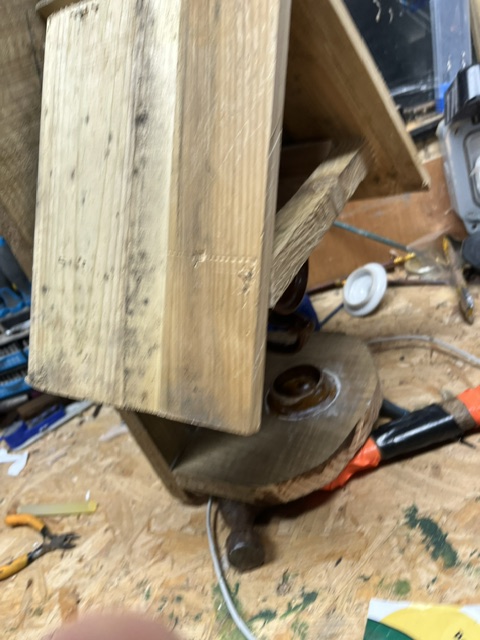
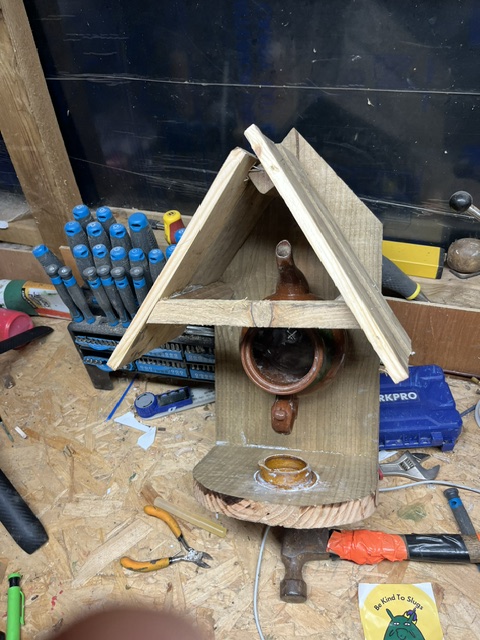
He introduced me to woodwork, something that’s become a massive part of my life.
Anyone who follows my social media will know I love making unusual birdhouses and all sorts of weird creations.
Sadly, Vic is no longer with us.
I genuinely wish he could see what I’m making today.
I think he’d be proud.
I miss you, mate.
And Angie, thank you for helping me make such an important change in my life.
That’s what good support can do.
It doesn’t control somebody’s life. It helps them discover opportunities, develop skills and make their own choices.
I’m now considering returning to Direct Payments.
But I’ll admit I’m nervous.
What happens if you employ somebody who seems fantastic at first but gradually starts cancelling shifts or not doing their job properly?
What happens when you’re frightened to challenge them because you rely on their support?
I’ve sometimes caught myself thinking, “Well, at least they’re doing something for me.”
But that’s not right.
They’re being paid to provide support.
Being grateful doesn’t mean accepting poor treatment.
And I think disabled people need more help understanding their rights and managing those difficult relationships.
Is It Really Our Fault?
This is something I’ve thought about a lot.
Yes, I’ve made mistakes.
I’ve lent money when I shouldn’t have.
I’ve trusted people who perhaps didn’t deserve that trust.
And I’ve sometimes put other people’s needs before my own.
But does that mean the person taking advantage has no responsibility?
I don’t think so.
If somebody knows you’re struggling financially but continues asking you for money, surely they should question their own behaviour.
Sometimes the kindest thing a friend can say is:
“No, Benny. Keep your money. You need it more than I do.”
We Need to Talk About This More
I believe schools, colleges and disability organisations should do more to teach young disabled people about financial abuse, healthy relationships and personal boundaries.
Not to frighten them.
And certainly not to take away their independence.
But to help them recognise when something isn’t right.
We need to talk about financial pressure, sexual coercion and the fear of losing friendships.
We also need to help people understand that saying no is perfectly acceptable.
This is something I want to keep discussing through my work with Blue Badge Bunch.
Because education and understanding can make a real difference.
Finally, To My True Friends
I want to finish on something positive.
For years, I’ve sometimes felt that I needed to offer people money or favours to keep their friendship.
Even now, I occasionally catch myself doing it.
But I’ve learnt something important.
I’ve finally found my people.
I’ve got some wonderful friends, many of them from the comedy world.
People who support me, help me with my shows and encourage me with Blue Badge Bunch.
People who understand my disability and don’t expect anything in return.
People who aren’t afraid to tell me when I’m being an idiot!
And sometimes, when I offer them money for helping me, they simply say no.
Because they’re helping me as friends.
And that means more to me than they’ll probably ever realise.
So, to those people, thank you.
You’ve helped me understand what genuine friendship looks like.
I’m still learning, even at 42!
But I’m beginning to realise that I don’t have to buy friendship, love or respect.
And neither should anybody else.
One Last Thought
If you’re reading this and recognise something from your own life, please remember that you deserve genuine friendships, healthy relationships and control over your own money.
If somebody is pressuring you financially or sexually, it’s okay to ask for help from somebody you trust or a support organisation.
And if you’re frightened of being alone, remember that sometimes the end of one chapter is the beginning of something better.
I’ll leave you with three things I believe strongly.
Love shouldn’t cost you your independence.
Friendship shouldn’t cost you your financial security.
And respect shouldn’t have to be bought.
As I always say:
We’re not going to win the war if we shout. Let’s work together, not against each other.
Benny Shakes


Leave a Reply